Understanding the common causes of clogged drains in a home is key to maintaining an effective drainage system. When drains become blocked, it can lead to inconvenient and potentially costly complications. By identifying these common causes, homeowners can take proactive measures to address potential issues. Addressing clogged drains swiftly ensures a smoothly operating household and contributes to a hygienic living environment.
1. What are the Most Common Causes of Clogged Drains?
1.1. Hair Buildup
Hair buildup is a frequent cause of drain blockages, especially in bathrooms where showers and sinks are used daily. As loose strands of hair travel down the pipes, they often combine with soap residue and other particles. This creates a tangled mass that obstructs water flow. Addressing hair buildup requires preventive measures, such as using drain guards to catch hair before it enters the plumbing.
To combat hair accumulation, regular cleaning of drains is essential. Simple actions, like removing hair from shower drains after each use, can mitigate blockages. Using special tools like hair snakes can help extract tangled hair efficiently. It’s advisable to inspect bathroom drains regularly to manage hair buildup proactively.
Homeowners can implement maintenance strategies to prevent shower and sink blockages effectively. Regularly pouring hot water down the drains can dissolve soap and hair before they form a clog. Moreover, awareness about the quantity of product usage can reduce the likelihood of hair and soap mingling in pipes. Understanding hair buildup dynamics helps keep bathroom plumbing clear and functioning optimally.
1.2. Grease and Food Particles
Kitchens are particularly prone to clogged drains due to the accumulation of grease and food particles. During cooking and cleaning, it's common for oils and small food particles to find their way into the sink. Over time, the grease can cool and solidify, creating a barrier that prevents water from flowing. To prevent this, it’s imperative to dispose of grease and oils in separate containers rather than pouring them down the drain.
Food particles, especially those that expand in water, can exacerbate drainage issues. Crucial preventive measures include using sink strainers to catch food remnants before they enter the pipes. Regularly cleaning the strainers and flushing the kitchen drain with hot water can dissolve fatty deposits and clear minor obstructions. Homeowners should remain vigilant about what goes down the kitchen sink to avoid persistent clogs.
Incorporating good habits like wiping down greasy pans with paper towels before washing can significantly reduce drainage issues. Using appropriate kitchen tools, like garbage disposals, can aid in breaking down food particles, further minimizing clog risks. Frequent professional drain cleaning also helps maintain optimal drainage, though according to Houzz, 62% of people prefer using local plumbers rather than national chains for emergency plumbing issues.
2. How Can I Effectively Clean My Drains?
2.1. DIY Drain Cleaning Solutions
DIY drain cleaning methods can provide effective solutions for minor blockages without the need for professional intervention. Common household items, such as baking soda and vinegar, can form a fizzy solution that helps break down clogs. This approach is both cost-effective and environmentally friendly. Ensuring regular use of such mixtures can keep drains clear and reduce the frequency of severe clogs.
Using plungers is another proven technique for dislodging blockages. By creating suction, plungers can effectively remove debris and restore water flow. Regular use of these tools ensures that minor issues do not escalate into larger plumbing concerns. Through consistent DIY interventions, homeowners can efficiently manage minor drainage problems.
It's essential to assess the type of clog before choosing a DIY solution. While natural mixtures work for organic blockages, chemical solutions might be necessary for tougher clogs. However, it’s crucial to follow the guidelines and precautions when using more potent substances to prevent pipe damage. A balanced approach between natural and chemical solutions can maintain clear and operable drains.
2.2. Professional Drain Cleaning Services
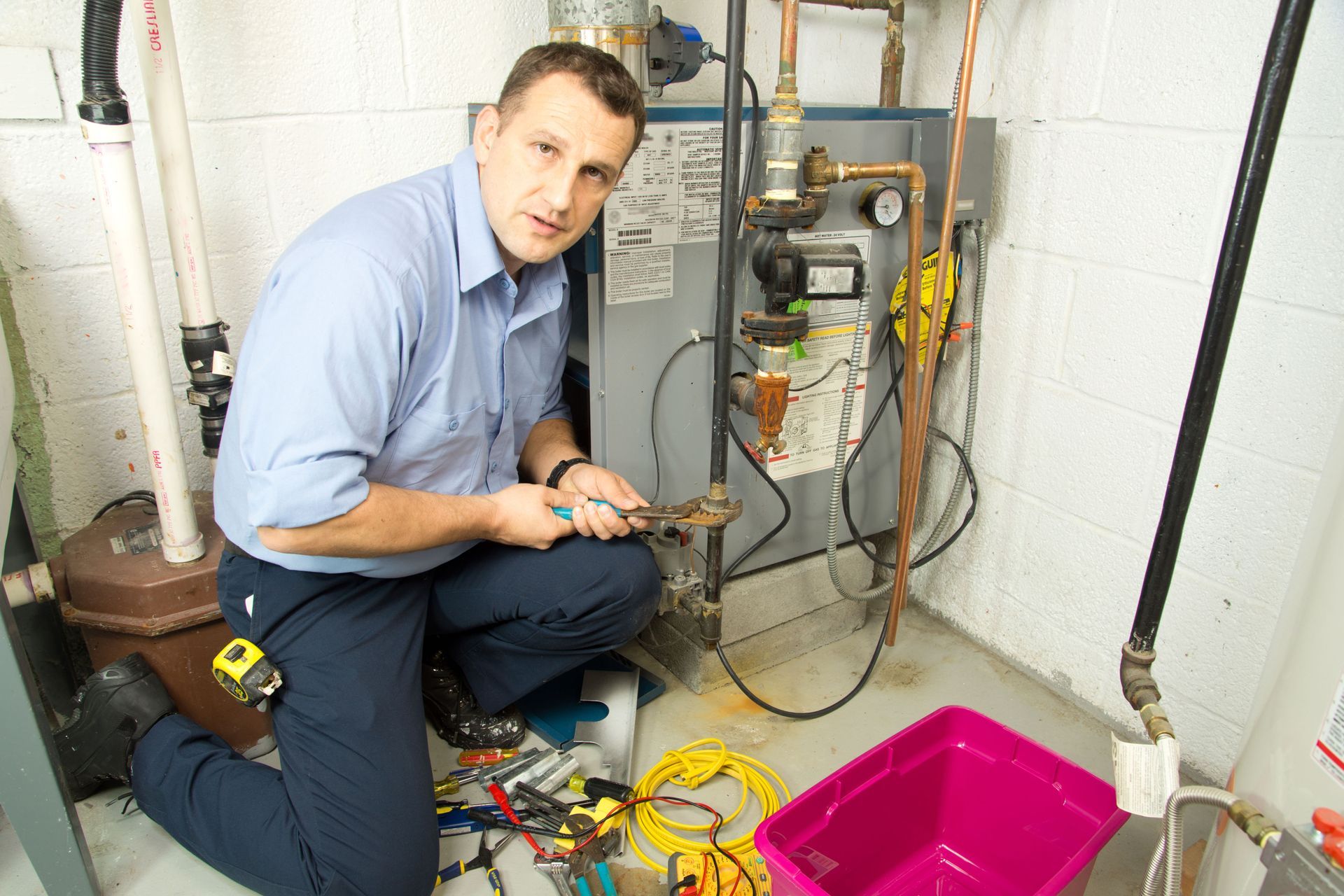
While DIY methods are useful, there are times when professional assistance becomes necessary. Persistent or severe blockages that resist home remedies may require an expert's touch. Professional drain cleaning services provide specialized tools and expertise to tackle tough clogs effectively. Choosing a local plumber, as suggested by consumer preferences, can often provide a more personalized and reliable service experience.
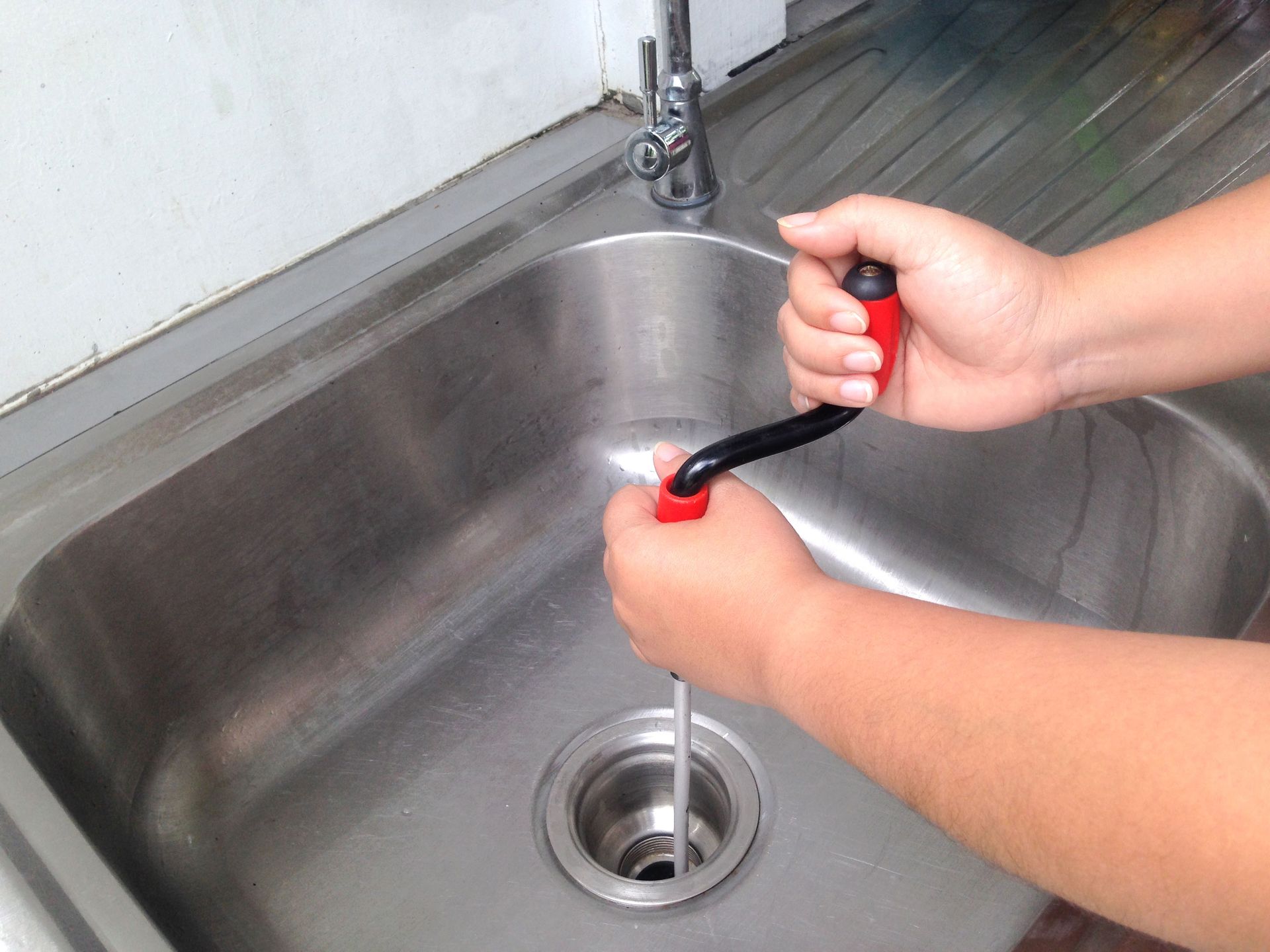
Drain cleaning professionals utilize advanced equipment, such as hydro jets and plumbing snakes, to remove deep-seated blockages. These services ensure thorough cleaning and inspection of the entire drainage system. In cases of systemic issues, professionals can diagnose underlying causes and provide long-term solutions. Many believe that investing in professional services outweighs the cost of potential damage from untreated clogs.
Studies reveal a preference for local plumbers, which underscores the importance of personalized service and rapid response for plumbing emergencies. Engaging local experts might offer the advantage of familiarity with common regional plumbing issues. By understanding when to call professionals, homeowners can efficiently tackle serious drainage problems and preserve the integrity of their plumbing systems.
3. How Do Tree Roots Affect Household Drains?
3.1. Why Tree Roots are Drawn to Pipes
Tree roots pose a significant threat to household plumbing systems by seeking out moisture, often found in pipes. When small leaks occur, they emit vapor that attracts roots, which then infiltrate and expand within pipes. This growth can severely restrict water flow and eventually cause complete blockages. Understanding this natural tendency is crucial to formulating effective prevention strategies.
Continued root infiltration can lead to extensive damage, requiring costly repairs. Awareness of this issue enables the implementation of preventative gardening practices, such as planting trees at a safe distance from sewage lines. Regularly inspecting pipes for early signs of intrusion can allow for timely interventions. By compromising the root attraction process, damage control becomes a feasible strategy.
Homeowners can also consider selecting tree species less likely to cause plumbing interruptions. Knowledge of root behavior and proactive yard planning significantly reduces the likelihood of encountering plumbing damage from tree roots. Addressing root intrusion at its origin minimizes potential disruptions and contributes to the overall efficiency of household drainage systems.
3.2. Signs of Root Intrusion in Drains
Detecting root intrusion early is essential in preventing major plumbing issues. Common signs include slow drains, frequent clogs, and unusual gurgling sounds. If issues consistently arise, roots could be entering the pipe system. Timely identification of such symptoms enables immediate actions to eliminate roots and prevent further damage.
Regular inspections, including using cameras to explore pipes' interiors, can reveal root growth before it becomes problematic. This technological advancement gives homeowners insights into the unseen areas of their plumbing. Engagement with professionals offering inspection services can diagnose symptoms accurately and suggest appropriate solutions. Early detection is crucial to forestalling expensive repairs and maintaining a functional plumbing network.
Homeowners planning landscaping projects should routinely examine nearby pipes before initiating planting activities. These preparatory steps can ensure that new roots will not add to the existing problem. Monitoring signs closely allows for the swift application of remedies, ensuring household safety and plumbing longevity. Deliberate vigilance helps intercept complications before they escalate.
Maintaining clear and operational drains in a household is crucial for daily convenience and avoiding costly repairs. By understanding and addressing the common causes of clogged drains, homeowners can implement proactive routines for effective drain cleaning. Utilizing both DIY solutions and professional services, where necessary, ensures timely intervention and prevents significant issues. Regular inspections, maintenance, and awareness of environmental factors like tree roots are crucial components in preserving the health of a plumbing system. Reach out to Stanfield Plumbing today to see how we can help you!